What is planned?
Trainer and ranch pages, horse ads, and stallion showcases are planned. Homepage designs show the intended range of presentation. They do not establish an available subscription, final price, or endorsement of the example business. Advertising accounts are not open yet.
What belongs in a useful profile?
Get permission before using another person’s media or testimonial. Update services and credentials when they change.
- Real business name, location, contacts, and the people responsible for inquiries.
- Disciplines, services, and the riders or horses the program works with.
- Current photographs and representative training or showing video.
- Accomplishments tied to a named person or horse, event, and year.
- Clear links to horses the business is authorized to advertise.
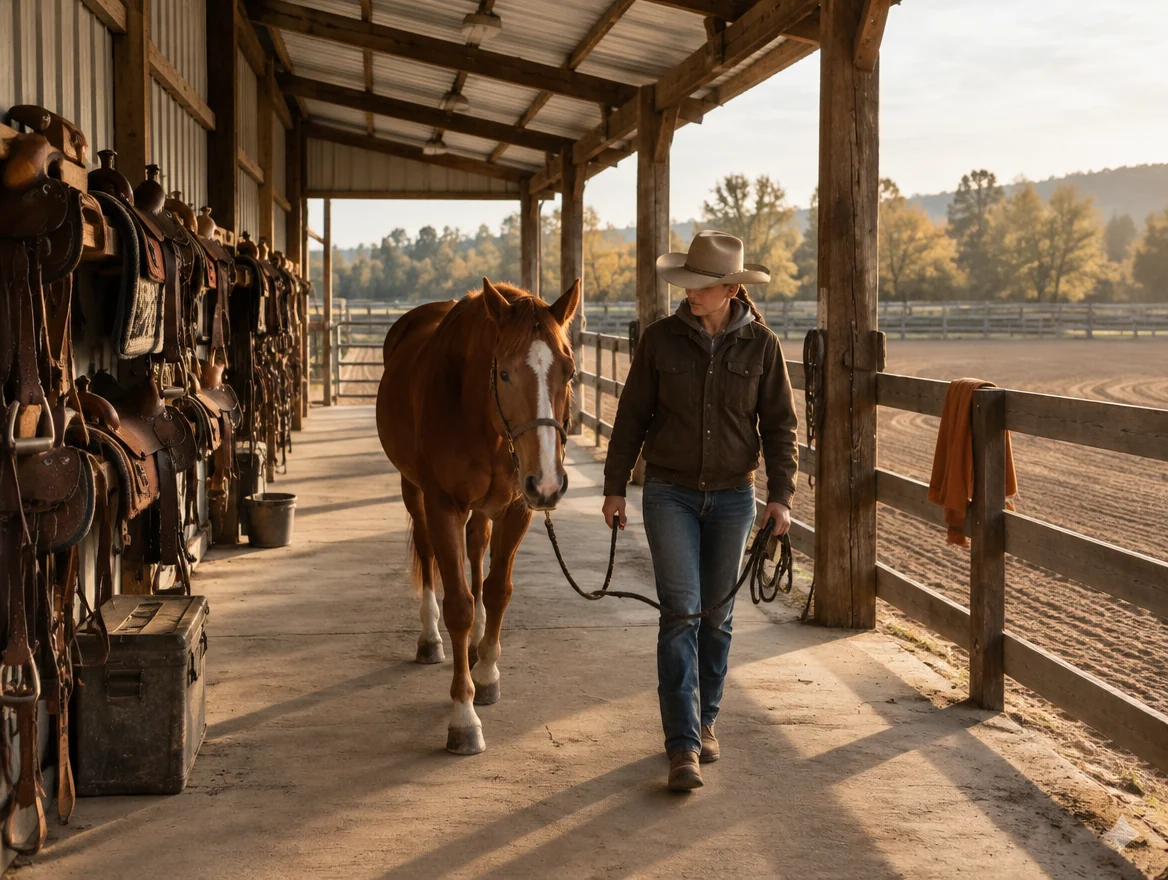
How should a buyer use the profile?
Ask about lesson structure, communication, professional support, and how the program approaches your goals. A compelling design is a starting point for a conversation; follow it with visits, references, and accurate information about the services offered.
The experience behind our perspective
Joanne credits Mavis Garber with teaching her reining and describes the welcoming group she later found with Francis Mercier. Those accounts show why a trainer profile should explain the people and teaching as well as the show record.
Read about Mavis and Joanne’s learning experiencePublished by Equine Talent. Personal experiences are attributed to Joanne’s story; source links support the specific guidance above.