Build an ad around useful evidence
A buyer should be able to identify the horse, understand its described job, and know what to ask next. Start with current photographs and a plain account of training and management. A custom design can organize that information, but the media and claims still need to be accurate. These are Equine Talent’s presentation suggestions, rather than an association’s required sales format.
A practical media checklist
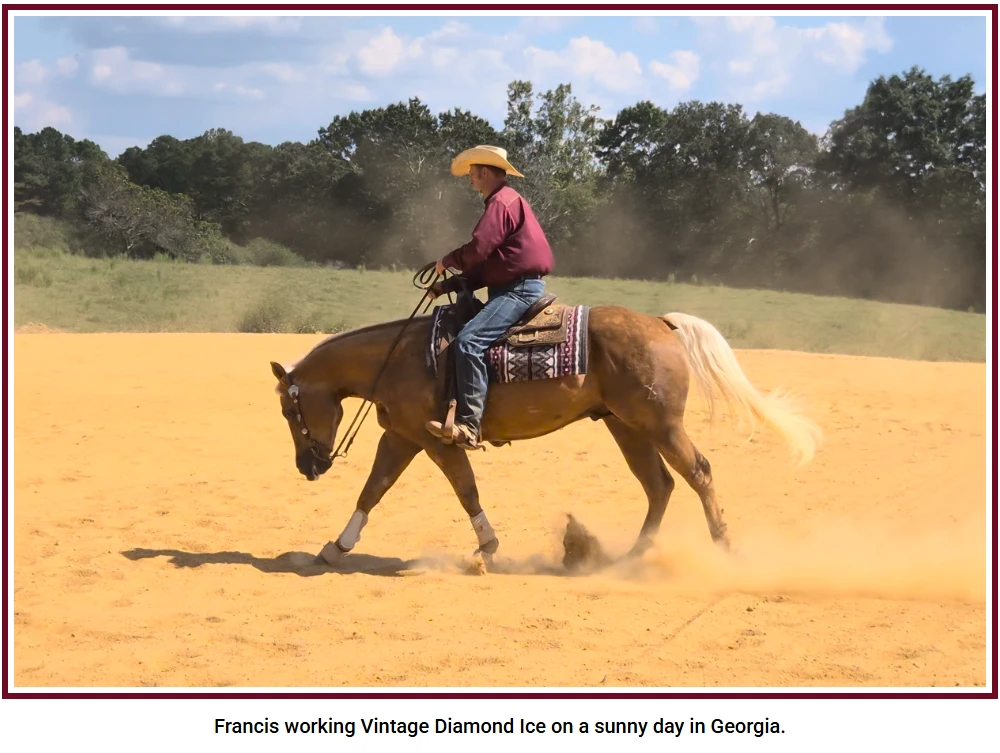
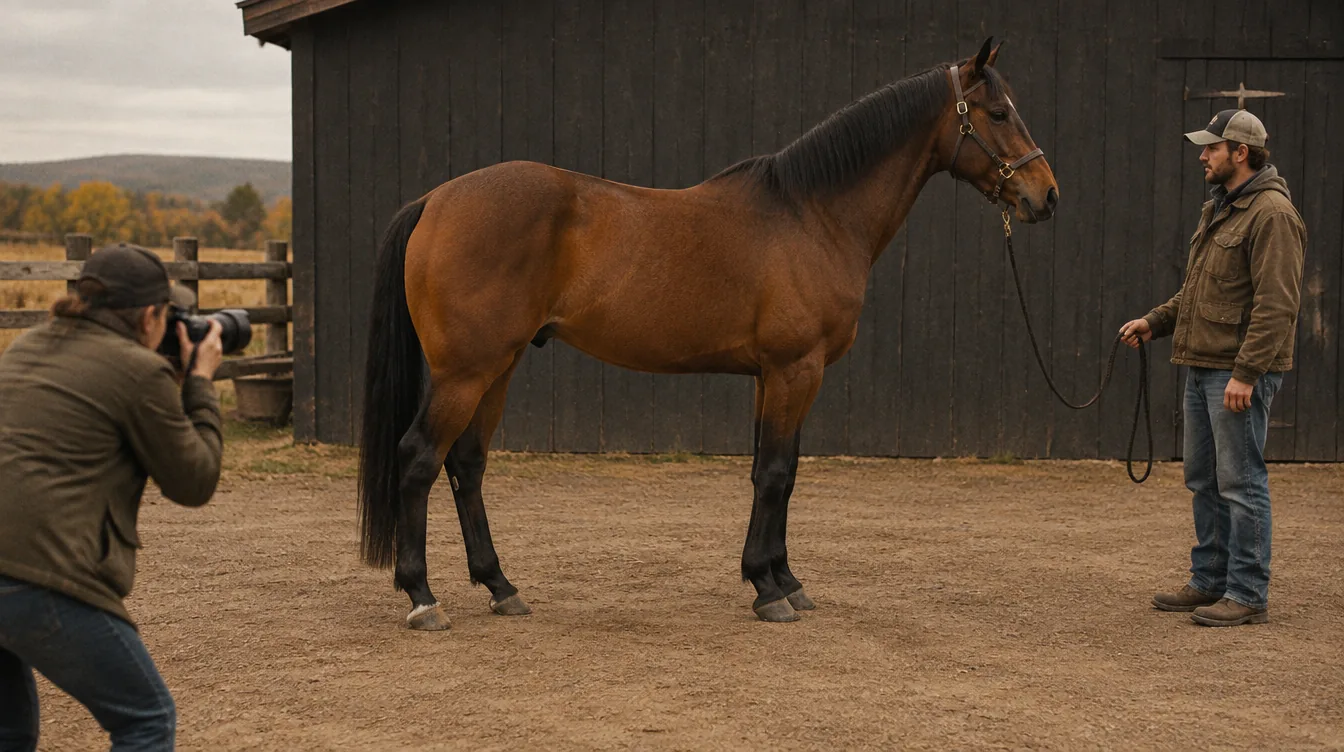
- Include clear whole-horse photographs from useful angles, with legs and feet visible.
- State when photos and video were made; identify older show material as historical.
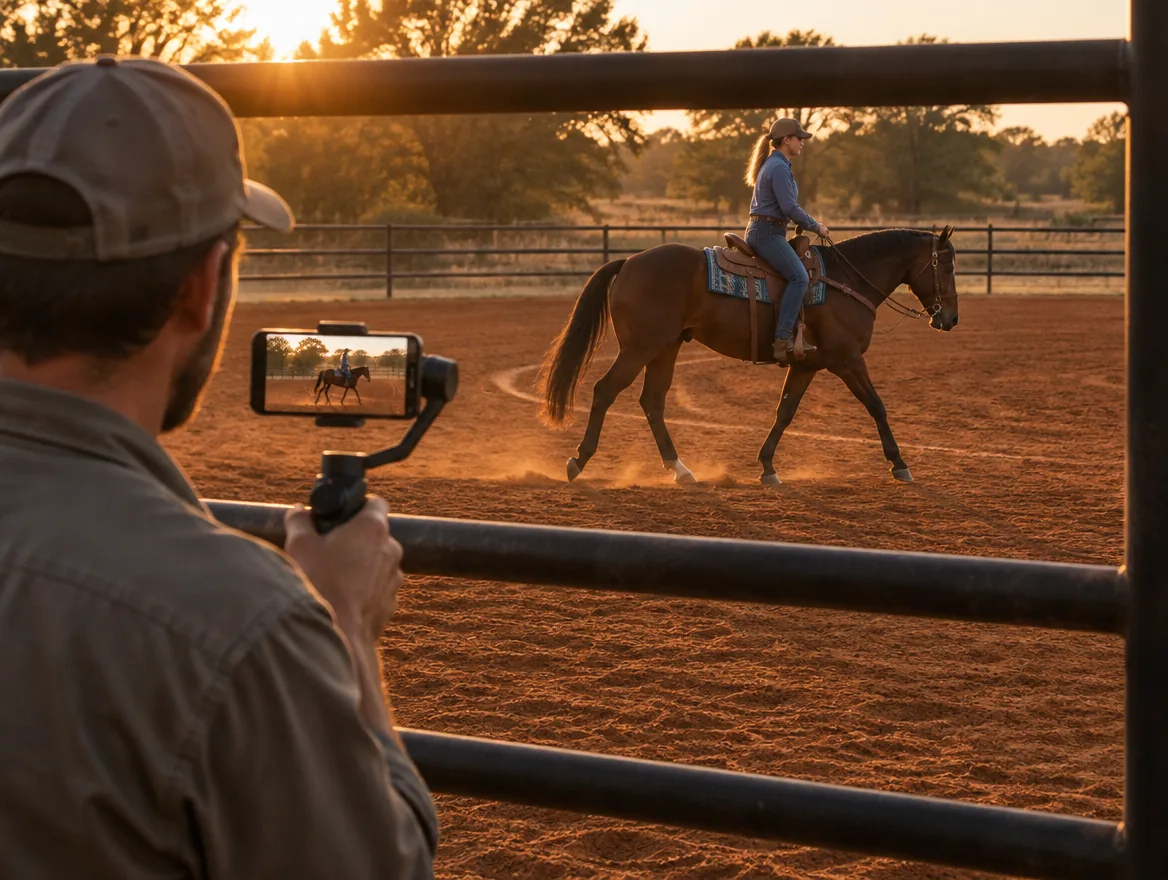
- Include representative, continuous footage where possible, rather than only a highlight reel.
- Name the rider and setting where they affect how performance should be understood.
- Show handling or everyday work relevant to the intended use where it can be done safely.
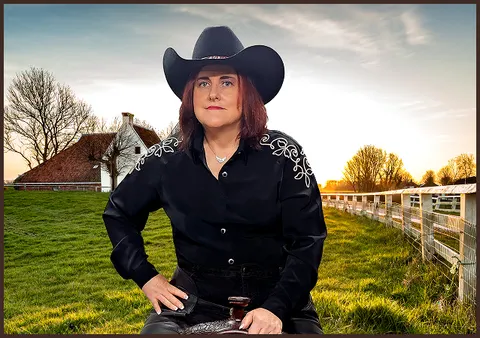
- Avoid retouching or framing that changes what a buyer would reasonably understand about the horse.
Connect accomplishments to records
Identify whose achievement is being advertised: this horse, its sire, offspring, or rider. Add event and year for a show claim. NRHA results and AQHA records are starting points for relevant checks; cite the actual record rather than treating a screenshot without context as the whole history.
Check the source: NRHA: official results · AQHA: records and pedigrees
Make the next conversation easy
Put identifying information, location, training description, and the responsible person’s contact path together. Explain what is included in an asking price. Use media you own or have permission to publish. Equine Talent’s sample formats illustrate design options; live listing creation is still coming soon.
The experience behind our perspective
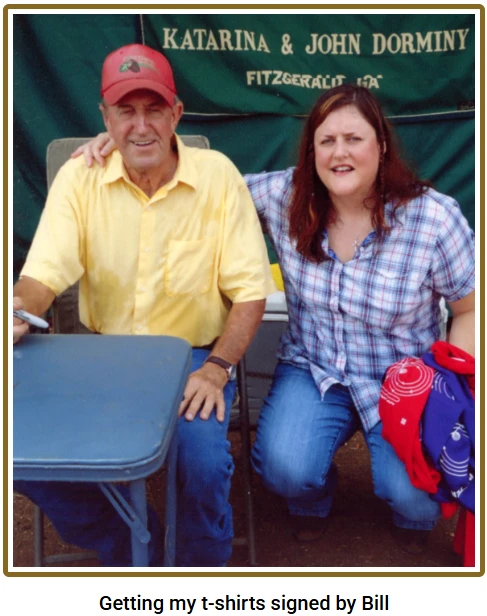
Joanne describes photographing a show and building Mavis’s website when she returned to the sport. Equine Talent draws on that design experience to present information clearly while preserving the substance a buyer needs.
Read about the website project that brought Joanne backPublished by Equine Talent. Personal experiences are attributed to Joanne’s story; source links support the specific guidance above. Discuss veterinary findings and individual purchase decisions with your own qualified professionals.